
Quick Answer
A high water table means groundwater sits close to the surface, sometimes seasonally, sometimes year-round, which can reduce your drain field's ability to properly absorb and filter wastewater. This is a well-known challenge in low-lying and coastal regions of the United States, and it's typically addressed through specialized system designs, like mound or raised systems, rather than a standard in-ground drain field.
What A High Water Table Actually Means
The water table is the underground level at which soil becomes saturated with groundwater. In most areas, it sits well below the surface. In a "high water table" area, that saturated zone sits much closer to the ground, sometimes just a few feet down, either year-round or seasonally after heavy rain. This is common in flat, low-elevation regions and areas close to coastlines, rivers, or wetlands.
Why It Matters For Septic Systems
A standard drain field relies on unsaturated soil to absorb and naturally filter treated wastewater as it percolates downward. When groundwater is already close to the surface, there's little to no unsaturated soil available to do that filtering, and in extreme cases, the drain field can end up sitting partially submerged in groundwater, which severely limits its ability to function as designed. This is a genuinely different challenge than typical drain field problems in areas with a normal water table, covered generally in our guide on common drain field problems.
Where This Is Most Common In The US
- Much of Florida, particularly central and south Florida
- Gulf Coast states, including parts of Louisiana, Mississippi, and coastal Texas
- Coastal areas of the Carolinas and other Atlantic seaboard regions
- Low-lying river valleys and areas near lakes or wetlands nationwide
- Areas with seasonally high water tables that rise significantly after heavy spring rain or hurricane season
See Current Septifix Pricing
Support efficient tank processing, especially important where drain field capacity is limited.
Check Current PriceWarning Signs In High Water Table Areas
- Standing water or soggy ground over the drain field, especially persisting after rain has stopped, covered in soggy yard over your septic system
- Slow drains that seem to worsen seasonally, particularly during wetter months
- Odor near the drain field that correlates with wet weather, covered in why does my septic tank smell worse after rain
- System performance that's noticeably worse during hurricane season or spring thaw compared to drier months
System Designs Built For These Conditions
Homes in known high water table areas often use specialized septic designs rather than a standard in-ground drain field. Mound systems elevate the drain field above natural grade using imported sand and soil, effectively creating the unsaturated buffer zone the site's natural soil can't provide. Other engineered options include raised or at-grade systems designed specifically for challenging soil and water table conditions. If you're in one of these regions and unsure what type of system your home has, checking your system's permit records or consulting a local septic professional familiar with regional requirements is a worthwhile step.
What Homeowners Can Do
- Understand your local water table conditions and whether your system was designed to accommodate them
- Be especially mindful of water use during wet seasons when the water table is at its highest
- Stay current on pumping, since a system in these conditions has less margin for error than one in ideal soil
- Support efficient bacterial processing in the tank, which matters more when the drain field itself has limited capacity to compensate
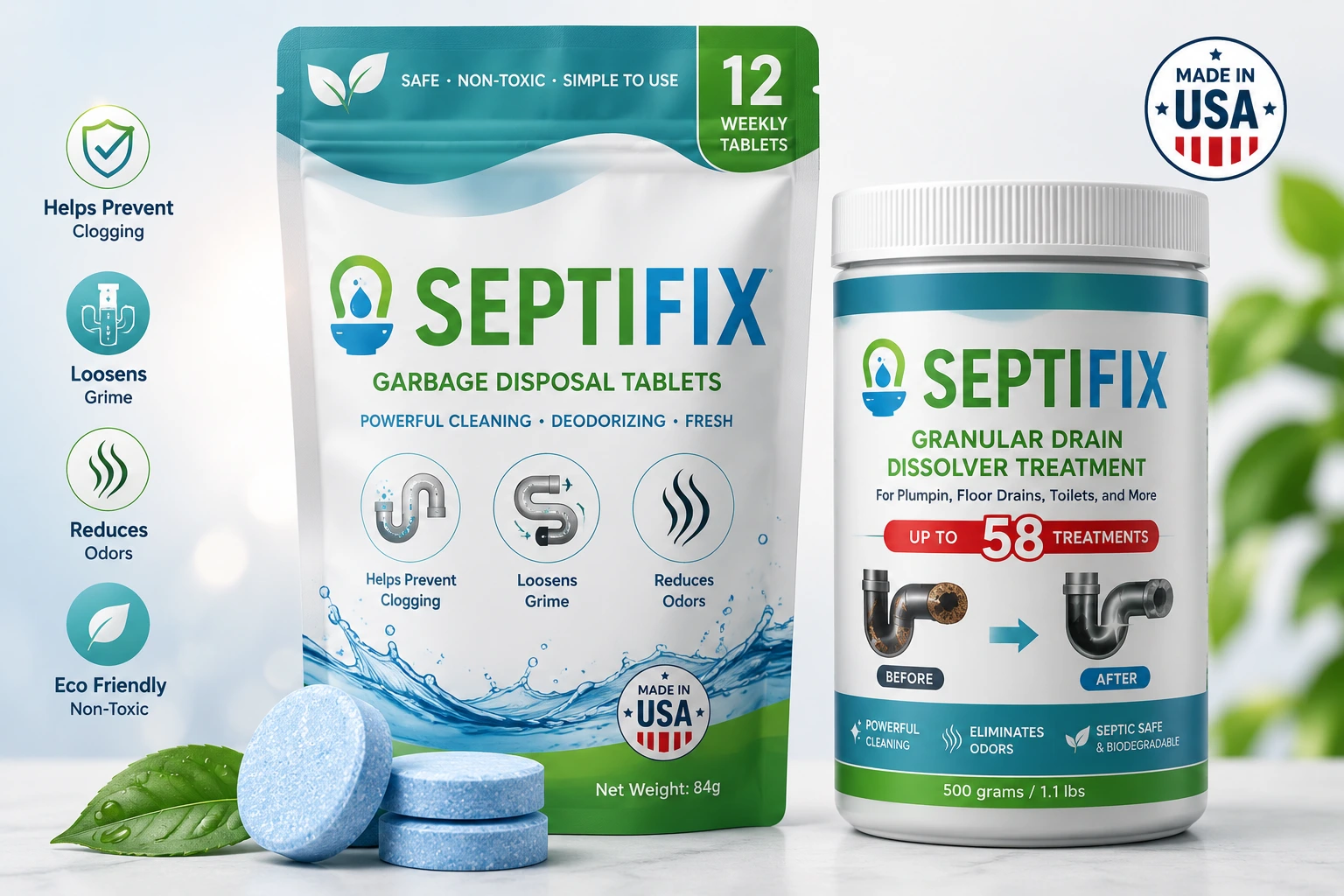
According to the manufacturer, Septifix is designed to support the bacteria responsible for breaking down waste before it reaches the drain field, which is a genuinely relevant consideration when your drain field's absorption capacity is already limited by groundwater conditions. See our full Septifix Review 2026 for the complete picture, and our guide on Septifix and drain field longevity for more on protecting this critical component.
Frequently Asked Questions
Can a septic system work in an area with a high water table?
Yes, but it generally requires a specialized design, like a mound or raised system, rather than a standard in-ground drain field, to create the unsaturated soil buffer needed for proper wastewater treatment.
Does my septic system perform worse during hurricane season?
In areas with a seasonally rising water table, this is a common and expected pattern. Being especially mindful of water use during these periods can help reduce strain on the system.
How do I know if my home has a mound or specialized septic system?
Check your system's permit records, often available through your local health department, or consult with a local septic professional familiar with your property.
Can I convert a standard drain field to handle a high water table?
This typically requires professional engineering and permitting, and depends heavily on your specific soil, water table depth, and local regulations. Consult a licensed septic professional in your area.
Final Thoughts
A high water table is a well-understood, manageable challenge for homeowners in low-lying and coastal parts of the United States, but it does require awareness and, often, a specialized system design rather than assuming a standard drain field will function the same as it would in ideal soil conditions. Understanding your local conditions and staying attentive to seasonal patterns is the best way to keep a system in these areas running well long-term.