

Why Recognizing Early Septic Warning Signs Matters
A septic system is designed to quietly handle your household's wastewater for years with only occasional attention. When a tank fills beyond its capacity, though, the system can't separate and process waste the way it should, and problems tend to show up first inside the house — long before anyone notices a wet patch in the yard. Catching these signs early gives you time to schedule a pump-out or review your maintenance routine before a small inconvenience turns into a backed-up drain field or a sewage backup indoors.
Many homeowners also build a regular septic tank treatment into their routine between pumpings. These products are intended to support the natural bacterial activity inside the tank that breaks down solid waste, which may help keep the system running smoothly between professional service visits. Treatment is not a substitute for pumping, but it's a piece of the puzzle worth understanding as you read through the signs below.
10 Warning Signs Your Septic Tank Is Full
Slow Drains Throughout The House
If sinks, showers, and tubs across multiple rooms have all started draining slowly at the same time, it's rarely a coincidence. A single slow drain usually points to a local clog, but slow drains everywhere at once often means wastewater isn't leaving the tank as quickly as it should.
Gurgling Sounds In Pipes Or Toilets
A gurgling noise after you flush or run water is air struggling to escape through a system that's under more pressure than usual. Occasional gurgling isn't unusual, but frequent or louder gurgling is often an early sign the tank is nearing capacity.
Sewage Odors Indoors Or Outdoors
A persistent sulfur or sewage smell near drains, in the yard, or around the septic tank lid can indicate that gases normally contained within the system are escaping because the tank is overfull. This is one of the more noticeable and unpleasant signs homeowners report.
Standing Water Or Soggy Ground Near The Drain Field
Puddles or unusually soft, spongy ground above the drain field, especially in dry weather, can mean the tank is releasing more liquid into the field than it can absorb. This is often one of the clearest outdoor signs of a full or failing system.
Unusually Lush, Green Grass Above The Tank Or Field
A patch of grass that's noticeably greener and more vigorous than the surrounding lawn can be a sign that excess wastewater is acting as fertilizer. It looks harmless, but it usually means liquid is surfacing that should be staying underground.
Sewage Backups In Toilets Or Drains
A backup is one of the most serious warning signs and typically means the system is already at capacity. If wastewater is coming back up through a toilet, tub, or floor drain, this should be treated as urgent and evaluated by a septic professional promptly.
Needing To Pump More Often Than Expected
Most residential tanks need pumping every three to five years, depending on household size and tank capacity. If you find yourself scheduling pump-outs noticeably more often, it may be worth reviewing your water usage, household size, or maintenance routine, including whether a septic tank treatment is being used consistently.
Toilets That Flush Slowly Or Weakly
A toilet that takes longer than normal to clear, or seems to flush with less force, can be an early indicator alongside slow sink and shower drains. On its own it can point to several causes, but combined with other signs on this list it's worth paying attention to.
Higher Nitrate Or Bacteria Levels In Well Water
Homes on a private well near the septic system's drain field should have well water tested periodically. Rising nitrate or bacteria levels can suggest that wastewater is reaching the water table before it's been properly filtered, which can point back to an overloaded system.
Visible Cracks Or Settling Around The Tank Lid
Cracking, sinking, or shifting ground directly around the septic tank access lid can be a sign of a structural issue or a tank that's under more pressure than it was designed to handle. This is worth a professional inspection regardless of whether other signs are present.
What To Do If You Notice These Signs
If you're seeing one or two signs from this list, it's a good time to keep an eye on things and consider your maintenance schedule. If you're noticing several at once, especially backups, standing water, or strong odors, it's best to contact a licensed septic professional for an inspection rather than waiting. A professional can confirm whether the tank needs pumping, whether the drain field is functioning properly, and whether anything else in the system needs attention.
Between inspections, many homeowners use a monthly septic tank treatment as part of their routine care. The idea behind these products is to support the bacteria that naturally break down solid waste inside the tank, which may help the system run more efficiently between pump-outs. It's worth being clear-eyed about what treatment can and can't do: it does not replace pumping, and it won't repair a damaged tank or drain field. It's simply one part of a broader maintenance routine that also includes water conservation, mindful disposal habits, and regular professional inspections.
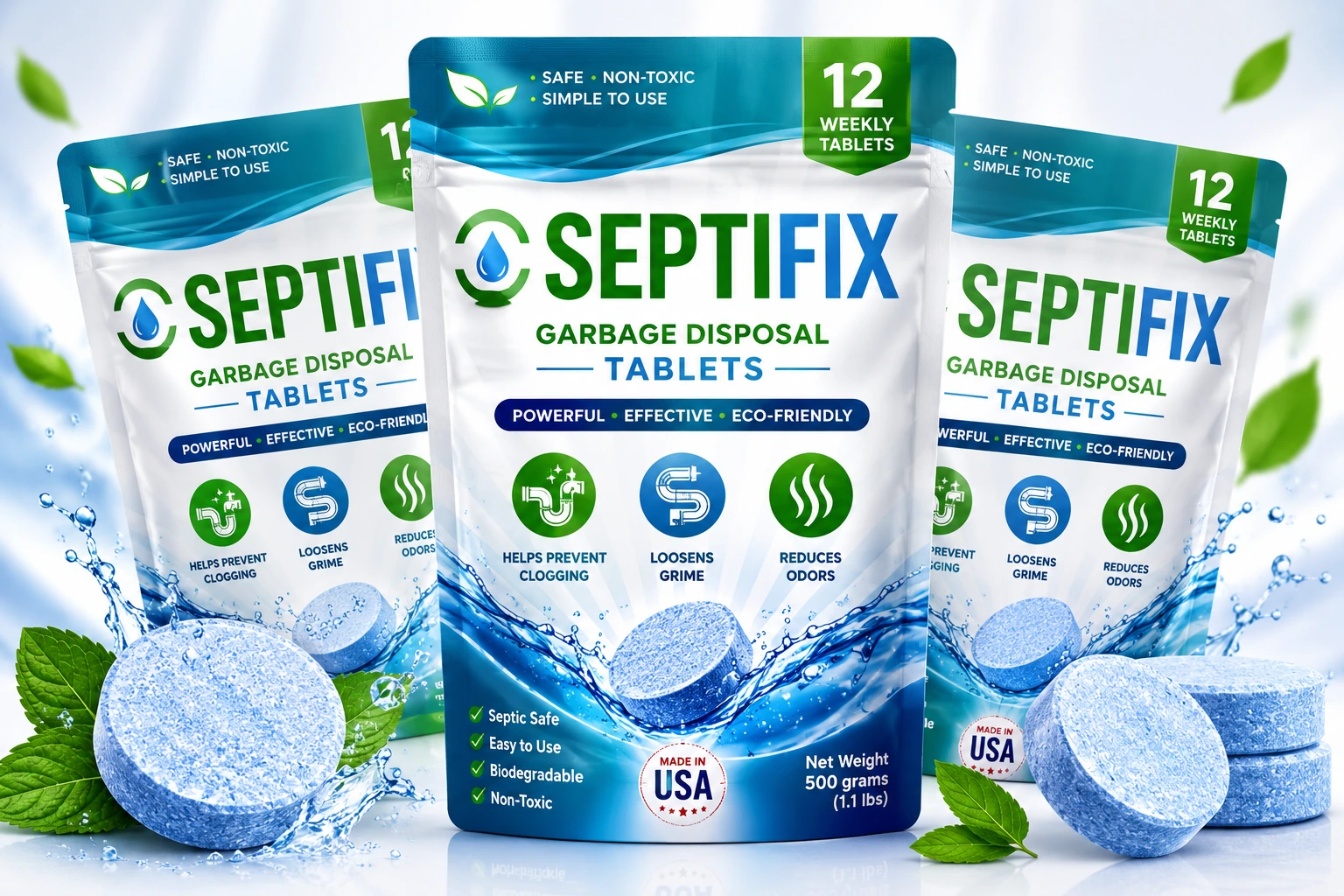

Ready To Learn More About SeptiFix?
Read the latest product information and availability before making your decision.
Check Current PriceSimple Habits That Help Prevent Septic Tank Overflows
- Space out laundry loads and long showers instead of running heavy water use all at once.
- Avoid flushing wipes, paper towels, grease, or coffee grounds, even if a product is labeled "flushable."
- Keep a record of your last pump-out date so you're not guessing when the next one is due.
- Consider a routine septic tank treatment to help support natural bacterial breakdown between services.
- Keep heavy vehicles and structures off the drain field to avoid compacting the soil.
- Have the tank and drain field inspected by a professional every 1–3 years, even if nothing seems wrong.
Frequently Asked Questions
How often should a septic tank be pumped?
Most residential tanks need pumping every three to five years, though this depends on household size, tank size, and daily water use. A septic professional can recommend a schedule based on your specific system.
Can a septic tank treatment prevent the tank from filling up?
Treatment products are designed to support the natural breakdown of solid waste inside the tank, which may help the system run more efficiently. They are not a substitute for regular pumping and won't stop solids from accumulating entirely.
What should I do if I notice a sewage backup?
Sewage backups should be treated as urgent. Avoid using water in the home and contact a licensed septic professional as soon as possible to inspect and address the issue.
Is standing water near the drain field always a sign of a problem?
Not always, heavy rain can temporarily saturate the ground, but standing water that appears in dry weather or persists for several days is worth having inspected.
Final Thoughts
A septic system that's cared for consistently tends to cause far fewer surprises than one that's left alone until something goes wrong. Learning to recognize these ten warning signs is one of the simplest ways to protect your home, your yard, and your budget from an avoidable septic emergency. Combined with regular inspections, mindful water use, and a routine septic tank treatment, most homeowners can keep their system running smoothly for years between major services.