

Quick Answer
As a new septic homeowner, the essentials are: know your tank's location and last pumping date, avoid flushing anything besides toilet paper and human waste, watch for warning signs like slow drains or odors, and build a simple maintenance routine that includes professional pumping every three to five years and, optionally, a monthly treatment like Septifix to support the system between services.
How Septic Is Different From Municipal Sewer
On municipal sewer, wastewater leaves your home and becomes someone else's responsibility. With a septic system, everything you flush or drain stays on your property, in a tank buried in your yard, where bacteria break it down before the liquid moves out to a drain field. This means your habits directly affect how well the system functions, in a way they simply didn't on sewer.
Your First Steps As A New Owner
- Locate your tank's access lid, this is usually documented in home inspection or closing paperwork
- Find out when the tank was last pumped, and by whom if possible
- Ask the previous owner or your real estate agent for any septic maintenance records
- If you can't find recent records, consider scheduling a professional inspection to establish a baseline
What Not To Flush Or Pour Down Drains
- Wipes of any kind, including ones labeled "flushable"
- Paper towels, feminine hygiene products, and diapers
- Grease, oil, and cooking fat
- Harsh chemical drain cleaners
- Excessive bleach or antibacterial products
The general rule: only human waste and toilet paper should go into a septic system. Everything else either doesn't break down or can harm the bacteria your system relies on.
Warning Signs Worth Knowing
As a new owner, it's worth familiarizing yourself with the early warning signs before you ever need them: slow drains, gurgling pipes, odors indoors or outdoors, and standing water near the drain field. Our guide on signs your septic tank is full covers these in detail, so you know what to watch for rather than learning the hard way.
See Current Septifix Pricing
A simple monthly habit to build into your new home routine.
Check Current PriceBuilding A Simple Maintenance Routine
- Schedule professional pumping every three to five years, based on your household size and tank capacity, covered in how often to pump a septic tank
- Keep a simple record of pumping dates and any inspections going forward
- Spread out heavy water use rather than running everything at once
- Consider a monthly treatment product as an easy, consistent habit
For a complete month-by-month, year-by-year routine, our ultimate septic maintenance checklist is a good resource to bookmark as a new owner.
Where Septifix Fits In
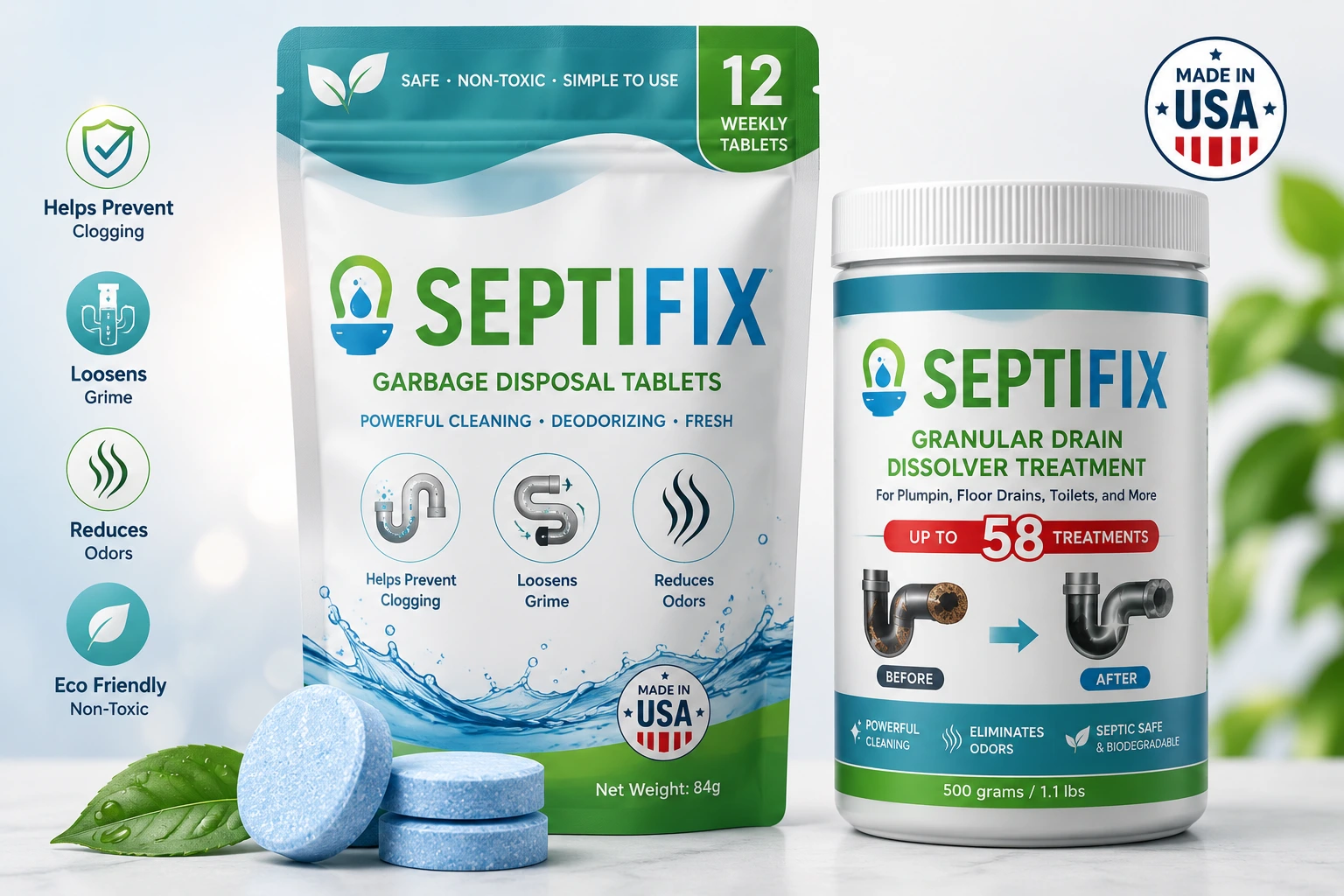
For a new septic homeowner building habits from scratch, a monthly tablet treatment is one of the easiest things to add to a routine since it requires no measuring or special knowledge, just flush one tablet a month. According to the manufacturer, Septifix is designed to support the bacterial activity that helps your system run efficiently between professional services. It's a reasonable, low-effort addition as you're getting comfortable with septic ownership generally. You can read the complete product breakdown in our Septifix Review 2026.
Frequently Asked Questions
How do I find out if my new home's septic tank was recently pumped?
Check your closing paperwork, home inspection report, or ask the previous owner or your real estate agent. If no records are available, a professional inspection can help establish a baseline.
What's the single most important habit for a new septic homeowner?
Being mindful of what goes down the drains, only human waste and toilet paper, is one of the simplest, highest-impact habits, alongside staying on a consistent professional pumping schedule.
Do I need to do anything differently if I just moved from a home on municipal sewer?
Mainly just adjusting your habits around what you flush and being more mindful of water use, since everything now stays on your property rather than leaving through a municipal system.
Is a septic system a lot of extra work compared to sewer?
Not dramatically, once you have a routine in place. Occasional professional pumping, mindful flushing habits, and optionally a simple monthly treatment cover most of what's needed.
Final Thoughts
Owning a home with a septic system for the first time can feel intimidating, but the basics are genuinely manageable once you know them: watch what goes down the drain, stay on a pumping schedule, know the warning signs, and build a simple routine you can stick with. Getting these habits right from the start will save you a lot of hassle down the road.