

Quick Answer
The scum layer is a normal, expected part of how a septic tank separates waste, fats, oils, and grease float and accumulate at the top. It becomes a problem when it builds up excessively, usually from too much grease and fat entering the system, or from reduced bacterial activity that would otherwise help break it down. Avoiding grease down the drain and supporting healthy bacterial activity are the two most direct ways to keep scum buildup manageable.
What The Scum Layer Actually Is
Inside a septic tank, wastewater naturally separates into three layers over time. Solids that are heavier than water settle to the bottom as sludge. Fats, oils, grease, and other lighter materials float to the top, forming the scum layer. The relatively clarified liquid in between, called effluent, is what eventually moves on to the drain field. This layering is a completely normal part of how a septic tank functions, not a sign of a problem on its own.
Why Scum Layer Thickness Matters
A thin, normal scum layer isn't cause for concern. The issue arises when it grows thick enough to interfere with the tank's function, a scum layer that gets too thick can reduce the effective working volume of the tank, and in severe cases, can be drawn into the outlet pipe leading to the drain field, where fats and grease can clog soil pores and contribute to drain field problems, covered in more detail in our guide on common drain field problems.
What Causes Excess Buildup
- Pouring grease, oil, or cooking fat down the drain regularly
- Heavy use of a garbage disposal, which can add more fatty food waste to the system, covered in garbage disposal with a septic system
- Reduced bacterial activity, which slows the natural breakdown of the scum layer over time
- An overdue tank that hasn't been pumped, allowing all layers, including scum, to accumulate beyond normal levels
Warning Signs Of A Problem Scum Layer
- Slower drains throughout the house, not just in one location
- Odor that seems to be getting worse over time rather than staying occasional
- A professional inspection or pumping service noting an unusually thick scum layer
See Current Septifix Pricing
Support the bacterial activity that helps manage scum layer buildup.
Check Current PriceHow To Manage It
- Never pour grease, oil, or cooking fat down any drain connected to your septic system
- Scrape food waste into the trash rather than relying on the garbage disposal for fatty scraps
- Stay current on professional pumping, which physically removes accumulated scum along with sludge
- Support consistent bacterial activity to help with natural breakdown between services
Where Bacterial Support Fits In
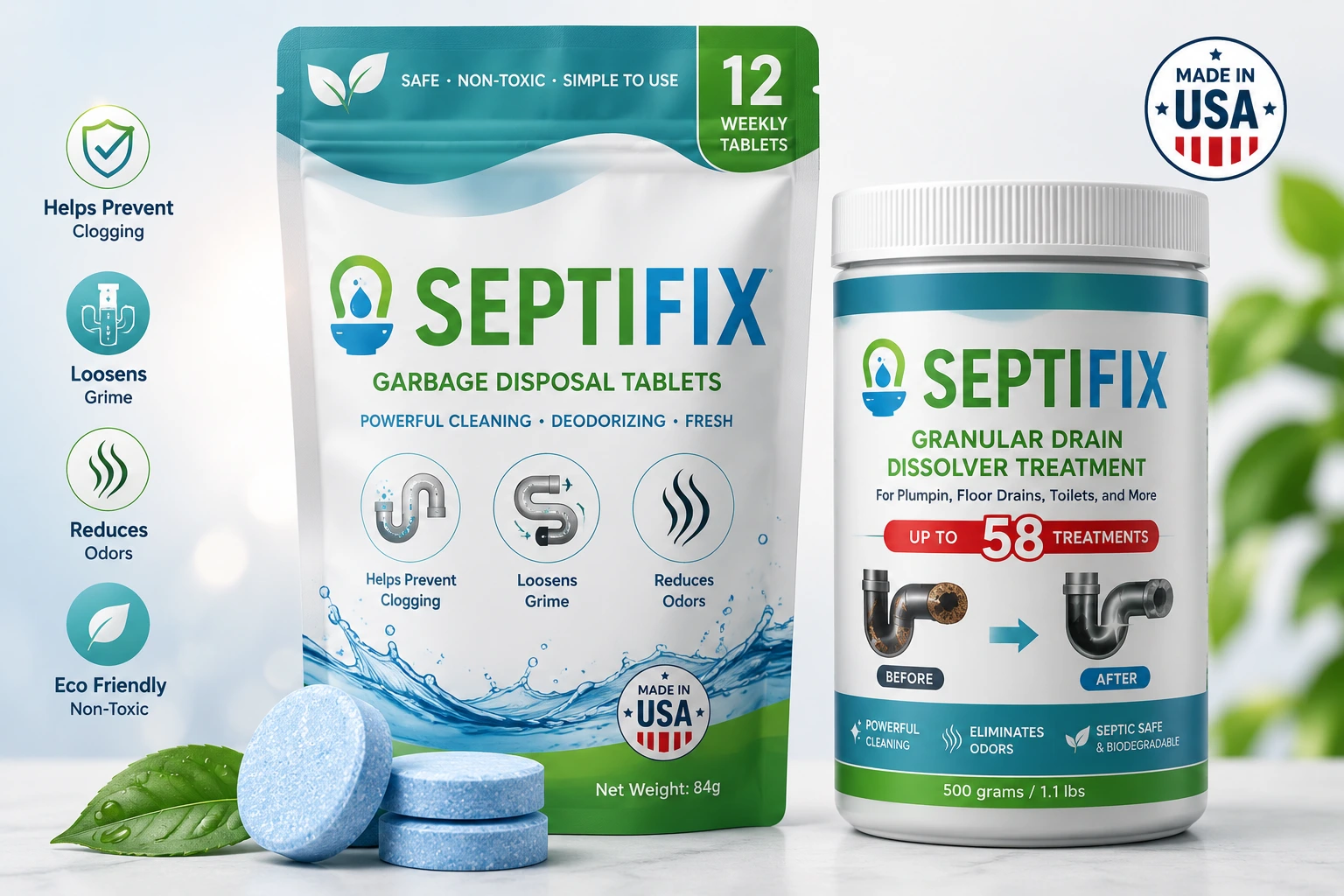
According to the manufacturer, Septifix is designed to support the bacteria responsible for breaking down organic waste in the tank, which includes the fats and oils that make up the scum layer. This is a supporting factor, not a substitute for avoiding grease down the drain in the first place or staying current on pumping, both of which remain the primary controls on scum buildup. See our full breakdown in the Septifix Review 2026, and our guide on bacteria vs enzyme septic treatments for more on how this process works.
Frequently Asked Questions
Is a scum layer normal in a septic tank?
Yes, it's a normal part of how waste separates inside the tank. It only becomes a problem when it builds up excessively thick, interfering with tank function or reaching the outlet pipe.
How can I tell if my scum layer is too thick?
This is generally assessed during a professional inspection or pumping service, since it's not something visible without opening the tank. Persistent slow drains or worsening odor can be indirect indicators worth investigating.
Does pumping remove the scum layer?
Yes, professional pumping removes both the sludge layer and the scum layer, resetting the tank's layers to normal levels.
Can a treatment product prevent scum buildup entirely?
No single product prevents buildup entirely, since fats and oils naturally enter the system through normal household use. Supporting bacterial activity can help with breakdown, but avoiding grease down the drain and staying current on pumping remain the primary controls.
Final Thoughts
The scum layer is a normal, expected feature of how a septic tank works, and it only becomes a problem when it accumulates faster than it should, usually from grease down the drain or an overdue tank. Avoiding fatty waste in your drains, staying current on pumping, and supporting healthy bacterial activity together keep this layer at a manageable level rather than letting it become a genuine problem.