
Quick Answer
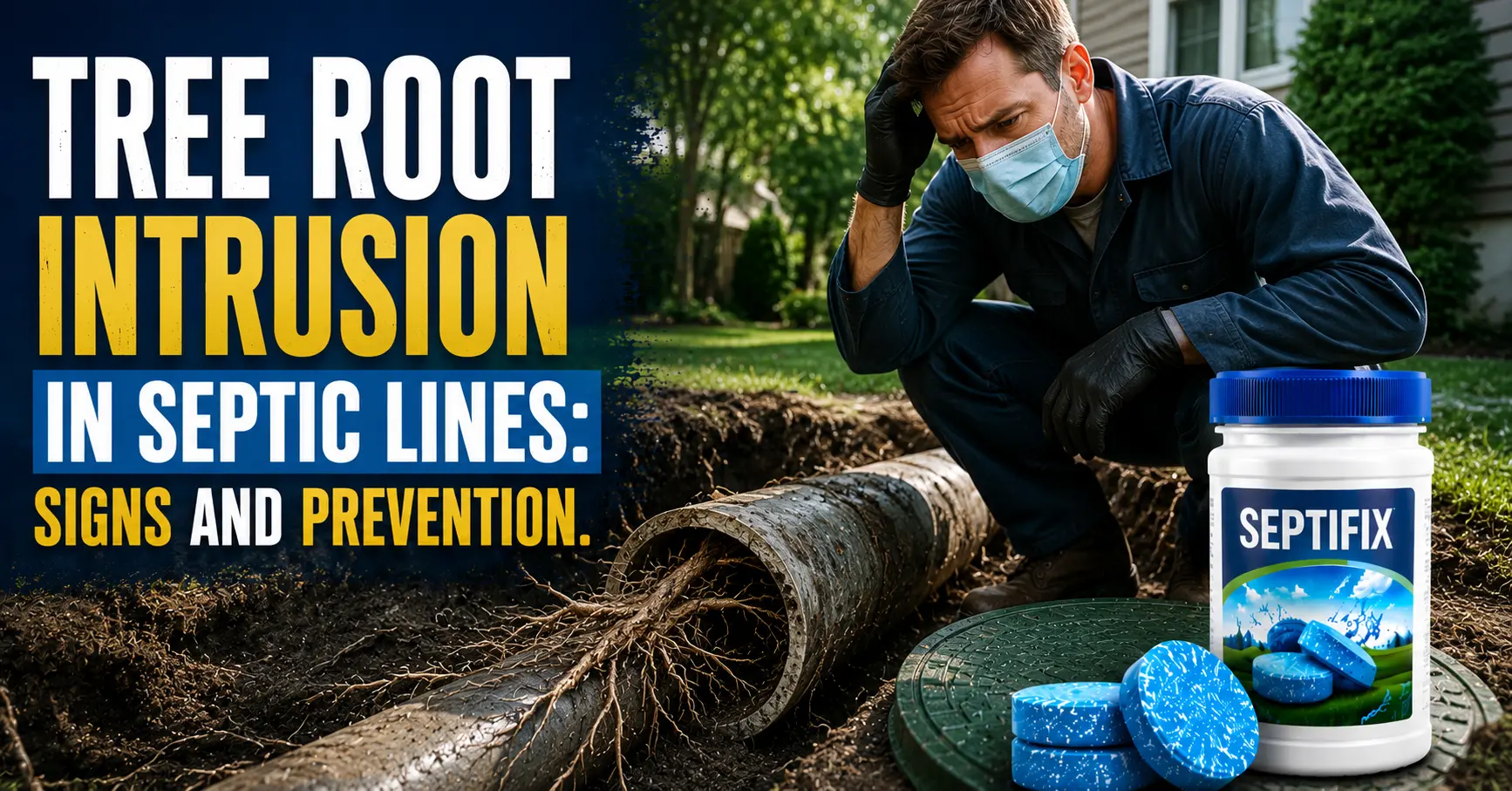
Tree roots are attracted to the moisture and nutrients present in septic pipes and drain fields, and over time can infiltrate small cracks or joints, gradually expanding and causing blockages, pipe damage, or drain field disruption. The most effective prevention is keeping trees and deep-rooted plants a safe distance from your septic system components and monitoring for early warning signs before intrusion becomes severe.

Why Roots Are Attracted To Septic Systems
Septic pipes and drain fields carry a consistent source of moisture and nutrients, exactly what tree and shrub roots naturally seek out, especially during dry periods when other water sources are scarce. Roots are remarkably persistent, capable of finding and exploiting even small cracks, loose joints, or tiny gaps in pipe connections over time, gradually working their way into the system.
Warning Signs Of Root Intrusion
- Slow drains that develop gradually and worsen over time rather than appearing suddenly
- Gurgling sounds from drains or toilets, covered in why is my toilet gurgling
- Recurring backups despite otherwise normal maintenance
- Unusually lush vegetation growth directly along the path of your septic lines
- A professional camera inspection identifying visible root material inside pipes
How The Damage Develops Over Time
Root intrusion typically starts small, a fine root finding its way through a tiny gap, and grows progressively worse. As roots continue growing inside a pipe, they can form dense masses that trap solid waste and cause blockages, and the physical growth of the roots themselves can crack or shift pipe sections further, sometimes to the point of requiring pipe replacement rather than simple clearing. This is why early detection matters significantly for cost and severity.
See Current Septifix Pricing
Support your tank's overall health as part of a complete maintenance routine.
Check Current PricePreventing Root Intrusion
- Keep trees and large shrubs a safe distance from septic pipes and the drain field, generally recommended to be well beyond the dripline of mature trees
- Choose septic-friendly, shallow-rooted plants for landscaping near the system if you want vegetation in that area
- Schedule periodic professional camera inspections of your septic lines, particularly if you have mature trees nearby
- Address any small leaks or pipe issues promptly, since roots exploit existing weaknesses rather than creating entry points from undamaged pipe
If Roots Have Already Gotten In
If a professional inspection confirms root intrusion, treatment options range from mechanical removal (physically cutting and clearing roots from the line) to chemical root treatments designed to kill roots without harming the tree itself, to full pipe replacement in more severe cases. The right approach depends on the extent of the intrusion and the condition of the affected pipe, which is best assessed by a professional rather than guessed at. Supporting overall system health with consistent maintenance, covered in our Septifix Review 2026, doesn't prevent root intrusion directly, but it does support the broader system health that makes any necessary repairs more straightforward.
Frequently Asked Questions
How far should trees be from septic lines?
General guidance suggests keeping mature trees well beyond their dripline from septic pipes and the drain field, though specific safe distances vary by tree species and root aggressiveness. A local professional can advise on your specific landscaping.
Can I tell if I have root intrusion without a camera inspection?
Gradual, worsening slow drains and recurring backups are indirect signs, but a professional camera inspection is the only reliable way to confirm root intrusion and assess its severity.
Will a septic treatment product remove roots from my pipes?
No, treatment products support bacterial activity in the tank and don't address physical root intrusion in pipes. Root removal requires mechanical clearing, chemical root treatment, or pipe repair from a professional.
Which tree species are riskiest for septic systems?
Trees with aggressive, fast-spreading root systems, like willows and poplars, are generally considered higher risk. A local arborist or septic professional can advise on species-specific risk for your area.
Final Thoughts
Root intrusion is one of those septic problems that develops quietly over years before becoming a visible issue, which makes prevention and early detection especially valuable. Thoughtful landscaping choices, periodic professional inspections if you have mature trees nearby, and prompt attention to gradual drainage changes are the most effective ways to keep tree roots from turning into an expensive repair.