
Quick Answer
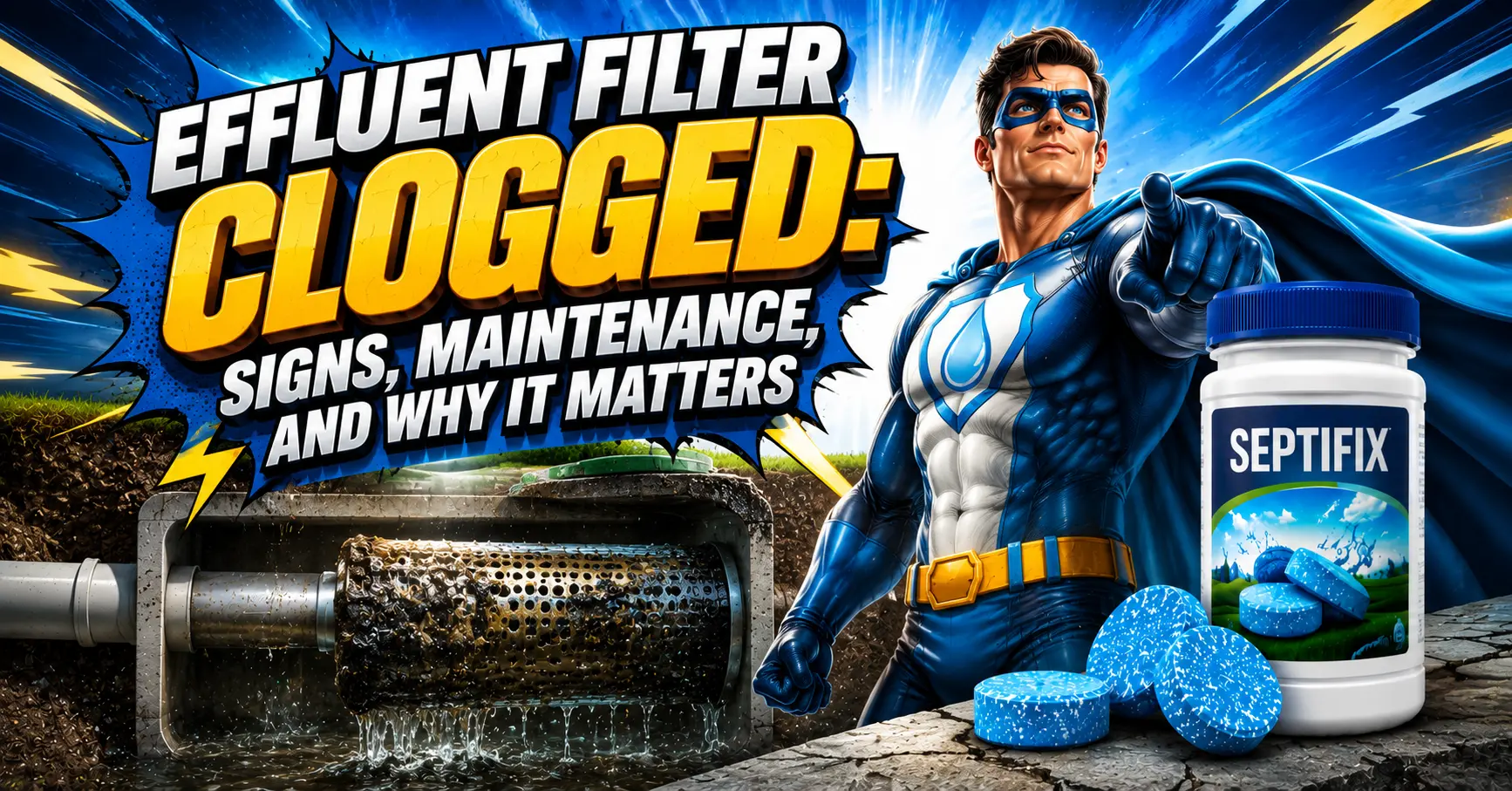
An effluent filter sits at the tank's outlet and catches solids before they can travel to the drain field, protecting what's usually the most expensive component of your system. Many US states now require these filters on new installations. Signs it needs attention include slow drains, gurgling, or a service technician noting it during a routine inspection. It should be cleaned periodically, typically during your regular pumping service.
What An Effluent Filter Actually Does
An effluent filter is a mesh or slotted filter installed at the tank's outlet baffle, positioned to catch any remaining solids in the wastewater before it exits the tank and heads toward the drain field. Even in a well-functioning tank, some small solid particles can escape the settling process, and the effluent filter acts as a final safeguard, keeping those particles from reaching, and potentially clogging, the drain field.
Why It's Worth Knowing About
Given how expensive drain field repair or replacement typically is, covered in Septifix and drain field longevity, a component whose entire job is protecting that field is genuinely worth understanding. Many US states have updated their septic codes in recent years to require effluent filters on new and replacement systems specifically because of how effective they are at extending drain field life. If your filter isn't maintained, though, it can become a problem of its own.
Signs Your Effluent Filter May Be Clogged
- Slow drains throughout the house that develop gradually, covered in signs your septic tank is full
- Gurgling sounds from toilets or drains, covered in why is my toilet gurgling
- A high-water alarm, if your system has an alarm-equipped pump chamber
- A pumping or service technician noting the filter is significantly built up during an inspection
A clogged effluent filter can actually mimic the symptoms of a full tank or a struggling drain field, which is part of why it's worth knowing this component exists rather than assuming any slow drain automatically means a bigger problem.
See Current Septifix Pricing
Support efficient waste breakdown that reduces strain on your filter and drain field.
Check Current PriceHow To Maintain It
- Have the filter cleaned during your regular professional pumping service, most septic professionals check and clean it as standard practice
- If your filter has a visible access riser, some homeowners can rinse it themselves between services, though this varies by filter type and comfort level, professional service is generally recommended
- Don't ignore a high-water alarm if your system has one, since it can indicate a filter or other outlet issue
- Ask your service provider directly whether your tank has an effluent filter and when it was last cleaned if you're not sure
Does Your Tank Have One?
If your system is newer or was recently upgraded, particularly in a state with current effluent filter requirements, there's a good chance you have one. If you're not sure, this is a simple, direct question to ask your septic service provider at your next pumping appointment, and it's worth confirming, since an unmaintained filter defeats its own purpose.
Where Bacterial Health Fits In
While an effluent filter physically catches solids, the process that determines how much solid material ends up floating free in the effluent to begin with is tied to how efficiently your tank's bacteria are breaking down waste. According to the manufacturer, Septifix is designed to support that bacterial process, which can indirectly reduce the burden on your effluent filter over time. See our complete Septifix Review 2026 for more on how this fits into a broader maintenance routine.
Frequently Asked Questions
Is an effluent filter required by law?
Many US states now require effluent filters on new septic installations, though requirements vary by state and locality. Check with your local health department or septic professional for your area's specific requirements.
How often should an effluent filter be cleaned?
This is typically done at each regular pumping service, though households with heavier usage may need more frequent attention. A septic professional can advise based on your specific situation.
Can I clean the effluent filter myself?
Some filters with accessible risers can be rinsed by homeowners, but this varies by filter type. Professional service during your regular pumping visit is generally the more reliable approach.
What happens if an effluent filter is never cleaned?
A severely clogged filter can restrict flow out of the tank, causing symptoms similar to a full tank, slow drains and backups, even if the tank itself has available capacity.
Final Thoughts
An effluent filter is a small, easy-to-overlook component with an outsized role in protecting your drain field, one of the most expensive parts of your entire septic system to repair. Knowing whether your tank has one, and making sure it's cleaned as part of your regular pumping service, is a simple addition to your maintenance routine that pays off by extending the life of the components that matter most.