
Quick Answer
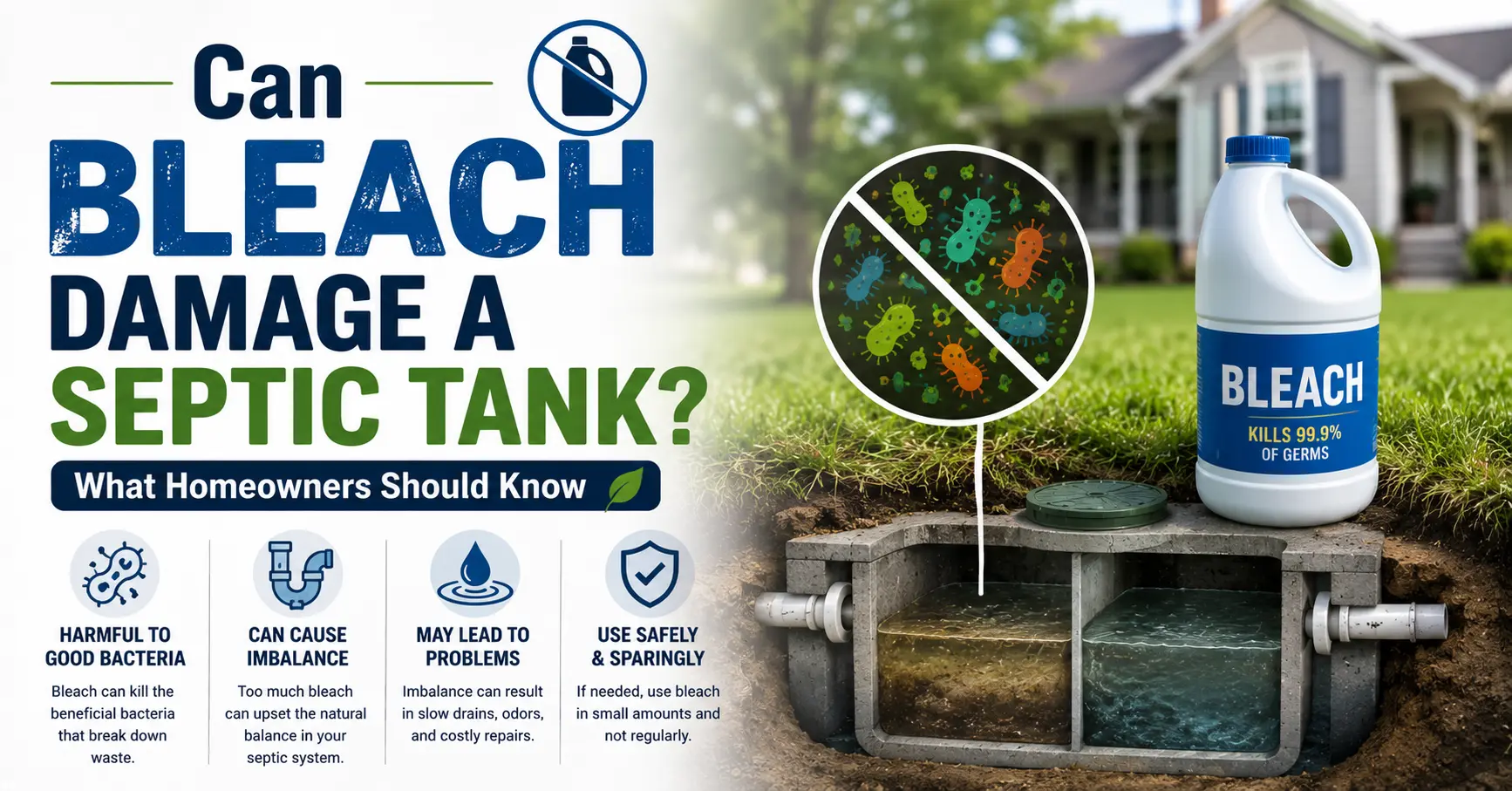
Bleach can damage a septic tank's bacterial balance if used excessively or regularly, since it's designed to kill bacteria, including the beneficial bacteria your septic system depends on to break down waste. Occasional, moderate use (like the amount in a typical load of laundry) is generally considered acceptable by most septic professionals, but heavy or daily use is not recommended.
How Bleach Affects Your Septic Tank
Your septic tank relies on a population of naturally occurring bacteria to break down waste. Bleach is a disinfectant, its entire purpose is to kill bacteria, and it doesn't distinguish between harmful germs on a countertop and the beneficial bacteria working inside your tank. In small amounts, diluted by the rest of your household's wastewater, the impact is typically minor and temporary. In larger or more frequent amounts, it can meaningfully reduce bacterial activity, which is the same activity products like Septifix are designed to support.
How Much Bleach Is Too Much?
There's no universally agreed-upon exact threshold, since it depends on your tank size, household water use, and how concentrated the bleach is. As a general guideline, most septic professionals consider occasional use, like a normal load of laundry with bleach once in a while, to be low risk. Daily use, pouring bleach directly down drains regularly, or using it in large quantities for cleaning is where the risk to bacterial balance increases significantly.
Signs Bleach May Have Disrupted Your System
- Slower drainage than usual without an obvious plumbing cause
- Increased odors, since reduced bacterial activity can mean less effective waste breakdown
- A tank that seems to need pumping more often than expected
These overlap with several other septic warning signs, so if you're noticing them, our guide on signs your septic tank is full is worth a look to help rule out other causes.
Septic-Safe Cleaning Alternatives
- Hydrogen peroxide-based cleaners, which break down into water and oxygen
- Vinegar and baking soda for general cleaning and mild disinfecting
- Enzyme-based cleaning products specifically labeled septic-safe
- Using bleach sparingly and diluted, rather than as a default daily cleaner
Support Your Tank's Bacterial Balance
A monthly treatment may help offset the impact of everyday household cleaning products.
Check Current PriceRestoring Bacterial Balance After Overuse
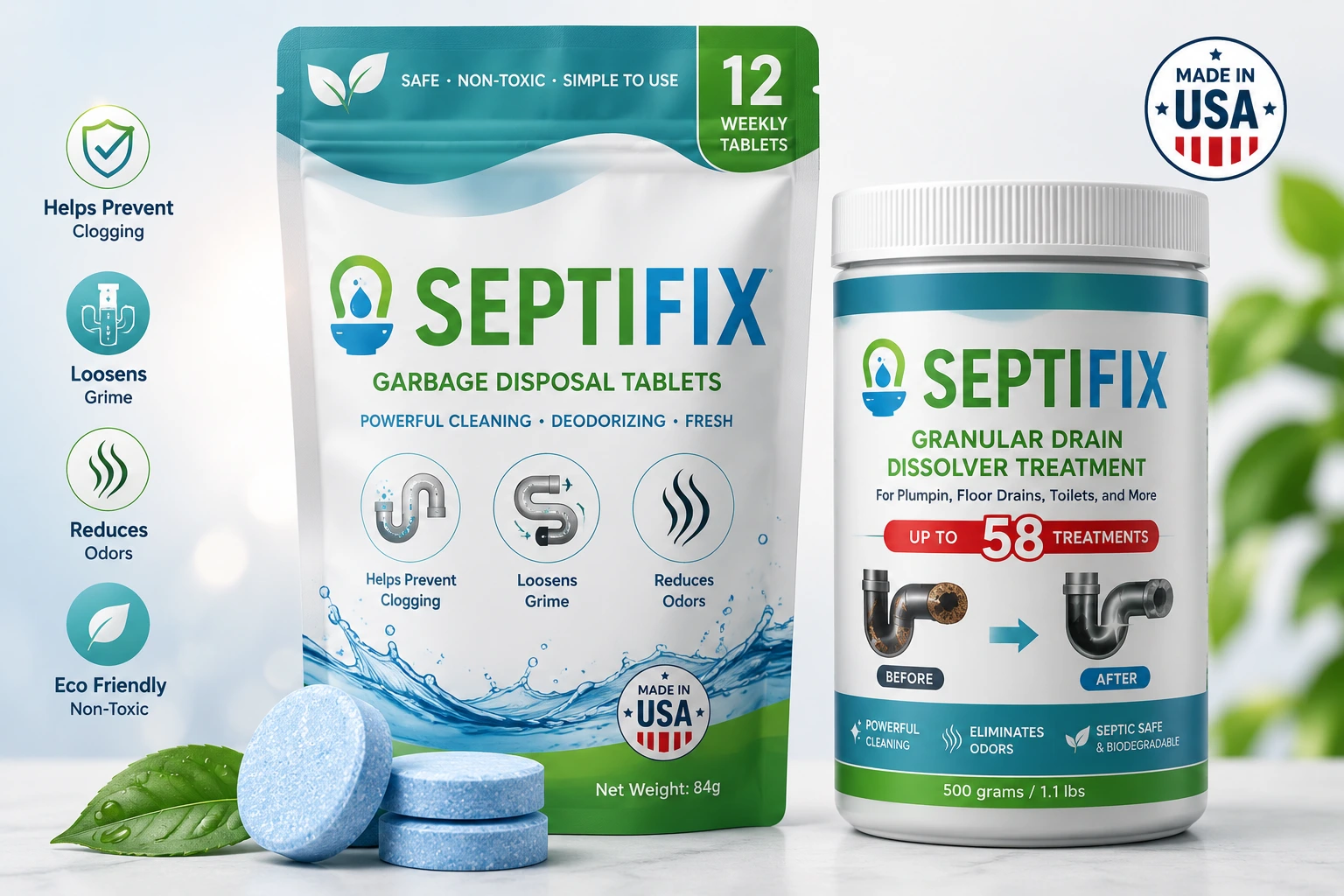
If you suspect heavy bleach use has disrupted your tank's bacterial balance, cutting back on chemical use going forward is the first step. Some homeowners also add a monthly septic tank treatment, like Septifix, to help support bacterial activity. According to the manufacturer, Septifix is formulated to introduce beneficial bacteria and oxygen-releasing compounds intended to help restore and maintain that balance. It's not a substitute for reducing the chemical use that caused the issue in the first place, but it may help support recovery alongside better habits. You can read more in our complete Septifix Review 2026.
Other Household Chemicals To Watch
Bleach isn't the only product worth moderating. Others that can affect septic bacteria in large quantities include:
- Antibacterial soaps and cleaners used in excess
- Drain cleaners containing harsh caustic chemicals
- Large amounts of certain pesticides or paint thinners disposed of down drains
If you're comparing treatment options and want something formulated specifically to support bacteria rather than working against it, our comparison of tablet vs liquid septic treatments covers what to look for.
Frequently Asked Questions
Is it safe to use bleach at all with a septic system?
Occasional, moderate use is generally considered acceptable by most septic professionals. The concern is with regular, heavy, or concentrated use over time, not an occasional load of laundry.
Does bleach kill all the bacteria in my septic tank?
Not entirely, tank bacteria populations are large and can recover from occasional exposure. Repeated heavy use is more likely to cause a meaningful, lasting reduction in bacterial activity.
Can I use bleach to unclog a toilet connected to a septic system?
Occasional use isn't typically a major concern, but bleach isn't an effective clog remover in most cases. A plunger, snake, or septic-safe enzyme product is generally a better first step.
Does a septic tank treatment offset bleach use?
A monthly treatment may help support bacterial activity generally, but the most reliable approach is simply reducing how much bleach and harsh chemicals go down the drain in the first place.
Final Thoughts
Bleach isn't an automatic disaster for a septic system, but it isn't harmless either. The safest approach is moderation: use it occasionally rather than as a daily habit, consider septic-safe alternatives where possible, and keep an eye out for the warning signs of a bacterial imbalance. A little awareness here goes a long way toward protecting a system that's expensive to repair if neglected.